When your hearing feels dampened, it can impact your daily schedule and leave you feeling detached from your surroundings. Many people immediately worry they’re experiencing irreversible hearing loss when, in reality, the culprit may be something much simpler: cerumen accumulation.
Knowing how to identify these differences guarantees you seek the appropriate care, whether that is professional cerumen extraction or a clinical hearing test. There is no reason to feel overwhelmed if auditory inputs seem dampened. A consultation can help you get to the bottom of it, but in the meantime, here’s what you need to know about canal blockage (also referred to as earwax blockage) vs. permanent impairment.
How to Recognize a Cerumen Impaction
Earwax is actually a beneficial, natural substance designed to shield the ear canal from dust and foreign debris. Problems arise when too much wax builds up or becomes clogged.
Common indicators of cerumen impaction consist of:
- Muted sound quality that occurs over time or overnight
- A feeling of canal fullness or a “plugged” feeling
- Localized sensitivity or localized aching in the ear
- Internal tinnitus within the affected ear
- Auditory clarity that improves briefly after opening the jaw or eating
Cerumen-based hearing issues are often asymmetrical, affecting one ear more than the other. Fortunately, once excess wax is professionally extracted, hearing often returns to baseline instantly.
How Auditory Loss Usually Manifests
Unlike a temporary obstruction, sensorineural hearing deficit usually progresses slowly over years and is not fixed by clearing the canal.
Symptoms of true auditory impairment may include:
- Battling to track discourse when ambient sound is audible
- Often needing clarification during everyday dialogue
- A tendency to boost audio volume notably to make up for hearing loss
- Diminished sensitivity to higher-pitched auditory signals
- Bilateral hearing shifts that affect both ears at once
Contrasted with cerumen impaction, hearing loss doesn’t usually induce a feeling of blockage or pressure.
Contrasting Cerumen Blockage and Hearing Loss
By analyzing the timing and particular symptoms, you can frequently determine which condition is affecting you:
- Timeline: Cerumen dampening can be rapid, but lasting loss takes decades
- Sustainability: Clogs are a fast fix, while nerve loss needs long-term management
- Markers: Pressure points to a clog; difficulty with speech clarity suggests impairment
- Ear Balance: One-sided muffled sound suggests wax, while both sides point to hearing loss
The Dangers of At-Home Ear Cleaning
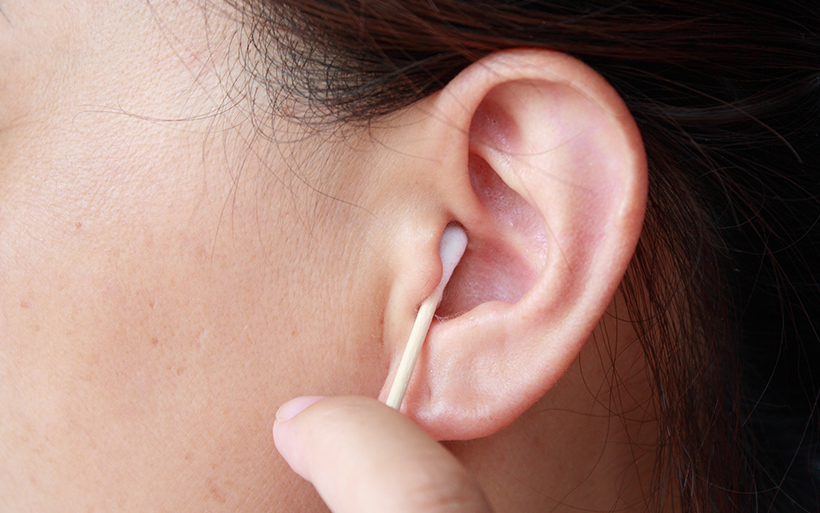
When auditory input feels muffled, the natural urge is to use a cotton bud, but this is frequently a dangerous move. In reality, physical poking often compresses the wax further against the tympanic membrane, making the situation more severe.
Clinical research shows that DIY removal often results in accidental damage or increasingly difficult-to-treat blockages.
Delaying a clinical evaluation for actual impairment can result in losing out on treatments that protect your long-term mental and communal health.
Ways a Clinical Evaluation Helps
A simple ear exam can quickly verify whether cerumen is obstructing the ear.
If a blockage is identified, a clinician can remove it safely, often returning your auditory function immediately.
If no wax is found, a formal audiogram will be used to map the type and extent of any hidden loss.
Clinicians recommend an immediate hearing check if you begin failing to communicate or navigate your surroundings.
Finding the Correct Solution for Better Sound Quality
Muted sound is hardly a certain sign of chronic loss.
In many cases, cerumen accumulation is the source, and it’s highly treatable.
Our hearing care specialists can help you to get to the root of muffled auditory symptoms so you can move forward with confidence and tranquility.
Remember: The sole accurate way to tell the difference between cerumen impaction and hearing loss is with a clinical evaluation.
Getting clarity early can avert unnecessary stress and ensure you receive the appropriate care at the right time.
If your auditory sense seems diminished, avoid guesswork. A brief check can make all the difference, so reach out to our practice of clinicians today.