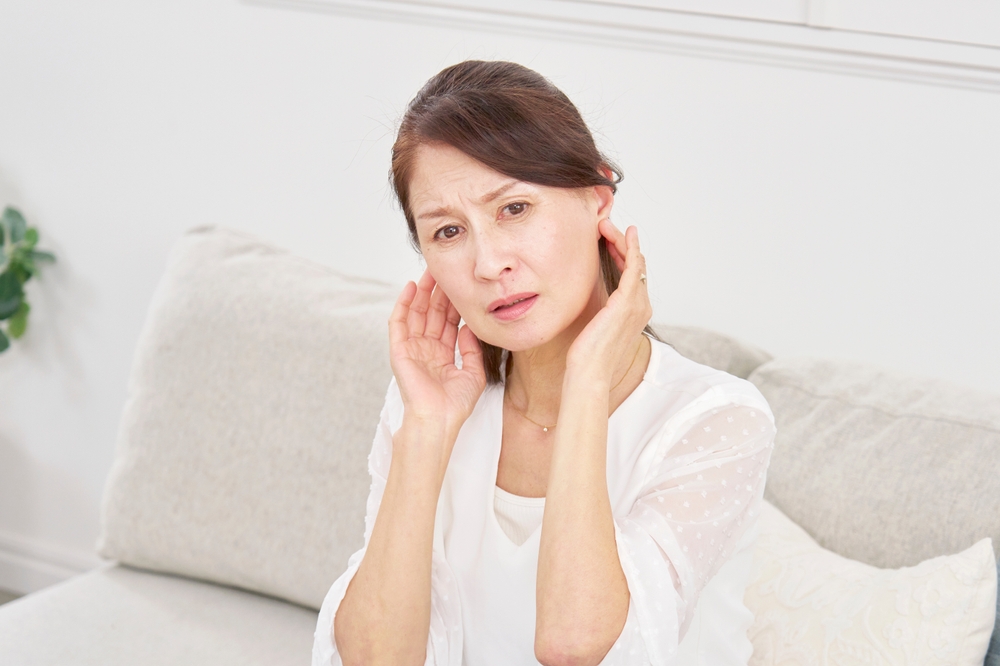
Discovering an abrupt inability to hear upon waking is a deeply alarming scenario. This specific hearing impairment is strikingly sudden, often appearing without prior warning signs or advanced signals. While some causes are transient and simple to resolve, others demand immediate medical attention.
Identifying the frequent catalysts for rapid hearing loss and responding quickly can profoundly impact your recovery path. In the following sections, we analyze the nature of abrupt hearing loss, its potential origins, and the requirements for professional consultation.
Defining the Parameters of Sudden Hearing Loss
This impairment involves a swift loss of hearing ability that occurs within a few hours or up to three days. This impairment is usually unilateral, although it can show up in both ears under certain circumstances. Symptoms can range from perceiving muffled noise to experiencing tinnitus, a sensation of aural fullness, or compromised speech recognition.
Identifying Sudden Sensorineural Hearing Loss
Sudden sensorineural hearing loss is a critical causes to evaluate.
We categorize this loss as damage to the inner ear or the complex nerve systems involved in sound transmission. The origin is often idiopathic, though medical professionals point to several likely contributing elements:
- Compromised circulation within the cochlear system
- Heightened inflammation within the auditory pathways
- Viral infections
- Neurological factors
Clinical professionals classify SSHL as an emergency because immediate therapy improves the chance of a full recovery.
Viral Infections
Pathogenic activity often leads to swelling in the auditory canal, resulting in major auditory changes.
Viruses associated with sudden hearing changes include:
- Standard respiratory tract infections
- Influenza
- Viral strains within the herpes group
- Likely auditory complications following COVID-19
Patients might notice hearing shifts as a virus resolves, often paired with a sense of imbalance or pressure.
Hearing Loss Resulting from Physical Injury
Accidental events such as head strikes, barotrauma, or high-decibel exposure can damage the ear’s fragile anatomy.
Trauma-related causes include:
- Traumatic brain injuries or concussions
- Acoustic or atmospheric barotrauma
- Sudden blasts of intense noise
- Cochlear fluid disruption
Auditory symptoms that follow even a slight head or ear injury require a professional clinical review.
Sudden Loss Due to Ear Canal Obstruction
While less serious than inner ear causes, impacted earwax can still cause abrupt hearing changes.
Symptoms of impacted cerumen typically:
- Appear over a very short duration
- Result in a feeling of blockage or “stuffiness”
- Show a distinct unilateral bias
- Resolve immediately upon extraction
Crucially, a self-diagnosis at home cannot properly differentiate between a simple blockage and a nerve-related crisis. This diagnostic ambiguity is why immediate professional testing is so important.
Other Possible Causes of Sudden Hearing Loss
Secondary factors to sudden hearing loss may include:
- Adverse effects from specific pharmaceuticals
- Circulatory system disruptions
- Systemic autoimmune attacks on the cochlea
- Benign growths impacting the auditory nerve
A comprehensive hearing evaluation helps rule out these possibilities.
The Critical Importance of Immediate Intervention
The single most critical piece of advice for sudden deafness is to seek care without any hesitation.
Seeking a rapid clinical assessment allows you to:
- Uncover reversible causes
- Improve the effectiveness of treatment
- Stop additional decline within the fragile inner ear
- Minimize the impact on your long-term ability to communicate
Comprehensive audiology diagnostics provide the necessary data needed to manage the condition effectively.
When to Seek Immediate Help for Sudden Hearing Loss
It is imperative to consult a professional instantly if you notice the following:
- Sudden hearing loss in one or both ears
- A loss of hearing accompanied by dizziness or lack of coordination
- The rapid onset of tinnitus or aural fullness
- Hearing loss after illness or injury
Partial recovery of sound does not eliminate the need for a thorough clinical investigation.
Hearing Testing for Quick Answers
Audiological diagnostics are designed to rapidly determine if the loss is:
- Related to mechanical blockages or conductive barriers
- A sensorineural problem involving delicate neural pathways
- A reversible shift or a chronic auditory decline
Early testing supports faster treatment decisions and better outcomes.
Take Sudden Hearing Changes Seriously
Abrupt hearing changes are naturally frightening, yet prompt action is your best path toward restoration.
If you notice an unexpected change in your hearing, getting a professional evaluation can protect your auditory wellness and your peace of mind. We’re here for you if you experience sudden hearing loss: Call our care team as soon as possible at our office for the help you need.