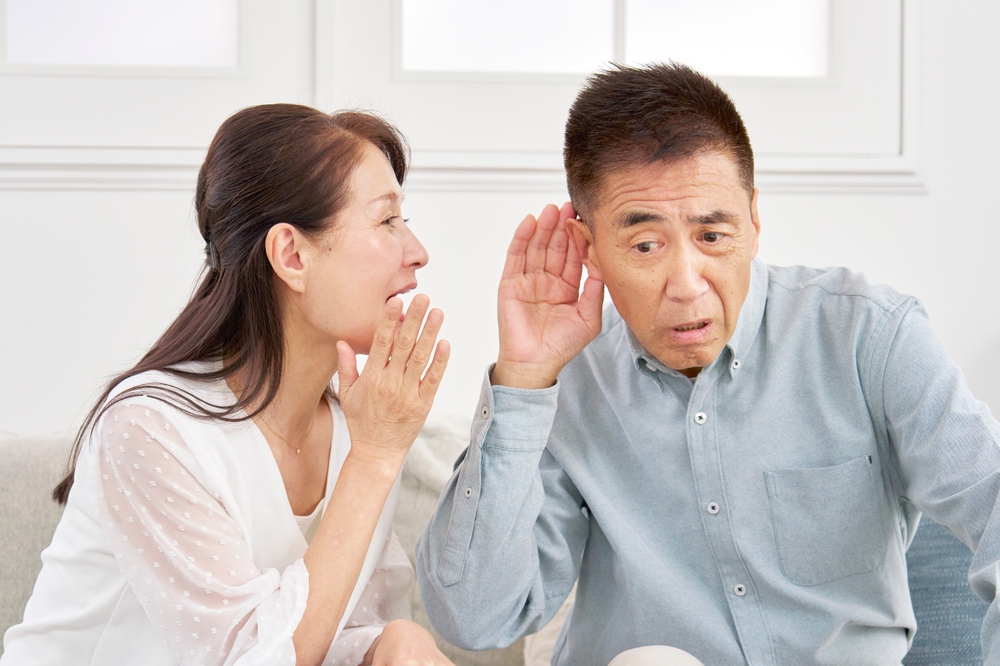
Hearing loss is more common than most of us might realize, but misinformation continues to prevent many people from seeking proper care. And with hearing loss, getting the right care at the right time is critical. Accepting hearing myths as fact typically results in late-stage intervention and diminished communicative function.
Identifying the facts behind auditory health allows you to navigate clinical options with technical certainty. We will now examine seven prevalent auditory myths and the clinical evidence that refutes them.
Myth: Hearing Impairment is Solely a Condition of Aging
While age-related hearing changes are common, hearing loss can occur at any age. Hearing impairment in younger patients is frequently caused by environmental noise, genetic predisposition, or systemic illness.
Viewing hearing impairment through an age-restricted lens delays diagnosis for millions of younger individuals.
2. Myth: If I Can Hear, I Don’t Have Hearing Loss
An individual can suffer from hearing loss without experiencing a complete loss of sound. Often, the issue is not a lack of sound but a lack of speech intelligibility in social settings. Between perfect hearing and total hearing loss is a wide spectrum of hearing challenges.
Signs of decline often involve poor speech-in-noise recognition and significant mental strain after talking with others. These markers represent initial auditory shifts that warrant a professional evaluation.
Myth: Auditory Decline is a Low-Stakes Issue
Ignoring hearing loss creates systemic health risks that impact the entire neurological system. Research has linked unmanaged hearing loss to social withdrawal, increased stress, cognitive strain, and even a higher risk of depression.
Proactive hearing care is a vital component of maintaining cognitive health and emotional stability.
4. Myth: Hearing Aids Make Your Hearing Worse
Some people believe that wearing hearing aids will cause their hearing to deteriorate more quickly, but that is not true.
Hearing aids do not damage your ears. These devices use precision digital processing to target frequencies identified in your hearing test. In many cases, using hearing aids can help the brain stay engaged in processing sound, supporting long-term auditory health.
5. Myth: Hearing Aids Are Large and Obvious
The landscape of audiological hardware has undergone a radical digital transformation. Contemporary hearing aids deliver elite processing power within incredibly discreet housings. Numerous models—such as Invisible-in-the-Canal (IIC) devices—remain completely hidden during daily use.
These devices provide high-tech solutions like automatic environment sensing and hands-free calling functionality.
Myth Six: The Fallacy of “Wait and See” for Mild Loss
Even mild hearing loss can impact communication and daily life. Addressing loss early eliminates listening fatigue and protects against chronic mental exhaustion.
Patients who pursue early help experience a much smoother transition to using hearing technology.
Why OTC Devices Often Fall Short of Clinical Needs
While some over-the-counter hearing devices may provide basic amplification, they are not customized to your specific hearing profile. Professional diagnostics ensure your hearing solution is “tuned” to your specific environment and biology.
Personalized care makes a significant difference in both comfort and clarity.
Your Path to Clarity: Rejecting Common Hearing Fallacies
Any change in hearing can feel scary, which is why many people brush it off and delay seeking care. Relying on misinformation ensures that your auditory challenges will become more difficult to manage. You’ll find that a hearing screening is a comfortable and highly enlightening clinical experience.
If you’ve noticed changes in your hearing (even subtle ones), a professional assessment is an important first step. Seeking help sooner rather than later preserves both your social life and your neurological sharpness.
For more information or to book your next hearing test, please contact our clinic today. Call us today for a consultation.