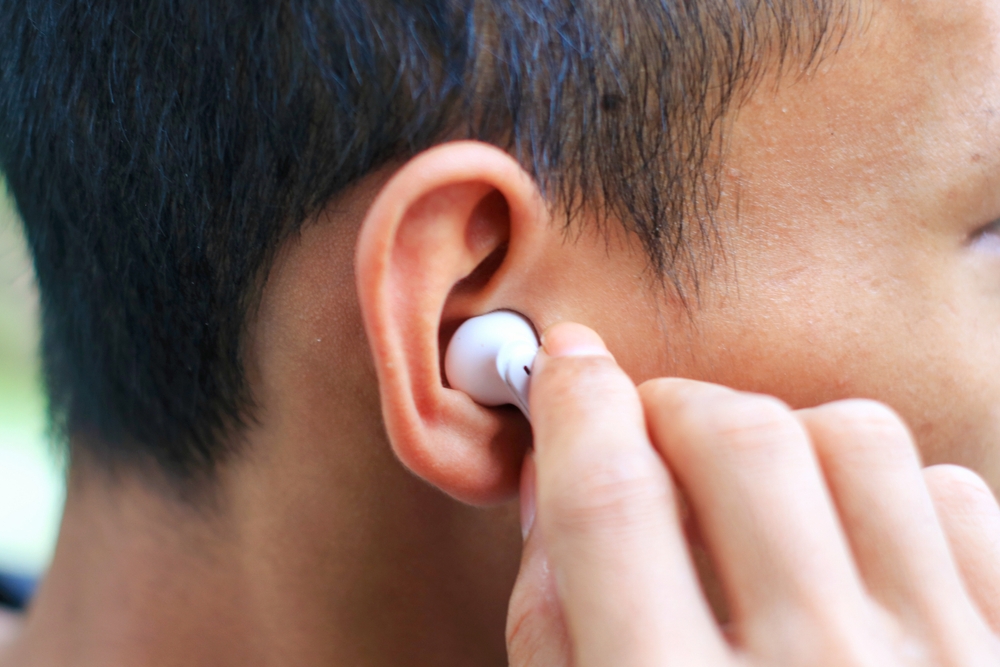
In modern public spaces, the sight of a young person without some form of in-ear audio is rare. Even with their larger footprint, headphones remain a popular choice for teenagers looking to disconnect from the world. We all enjoy listening to music, no matter our age, but younger people rely on music to pass the time. Does the immediate physical closeness of these transducers to our ears result in measurable hearing loss? It’s not the device itself, but how we use it.
When Healthy Listening Becomes Hazardous
Acoustic stimuli can act as a sedative, an emotional balm, or a powerful stimulant depending on the tempo. The outcome is entirely dependent on the genre and frequency of the audio. Utilizing personal audio devices is considered a social courtesy, allowing for private enjoyment in communal spaces. This is a widely appreciated social habit that helps maintain a respectful atmosphere in shared transport settings.
The real questions are: how loud is too loud, and how long is too long? It is well-established that loud noise, regardless of the source, can compromise your long-term hearing sensitivity. If you maintain a high volume for a long period, you risk destroying the hair cells in your inner ear. Because auditory decline is often a slow, cumulative process, the damage is frequently advanced before symptoms are noticed.
The Key Dangers of Headphones and Earbuds
Volume is the key danger for noise-induced hearing loss. Despite this, the cumulative hours of exposure are just as dangerous as a single loud blast.
- The National Institutes of Health advises that sounds under 70 decibels are generally safe for the human ear.
- There is a direct correlation between increased sound pressure and the speed of hearing degradation.
- Implement the 60/60 safety protocol by capping volume at 60% and taking a break every 60 minutes.
- You can safeguard your auditory health by reducing device intensity and monitoring your cumulative daily usage.
Indicators That You May Need a Hearing Evaluation
If you notice muffled speech, struggle with background noise, experience **tinnitus**, or constantly require others to speak up, a professional evaluation is necessary.
If you suspect a decline in your hearing, contact our office to begin a professional diagnostic process.