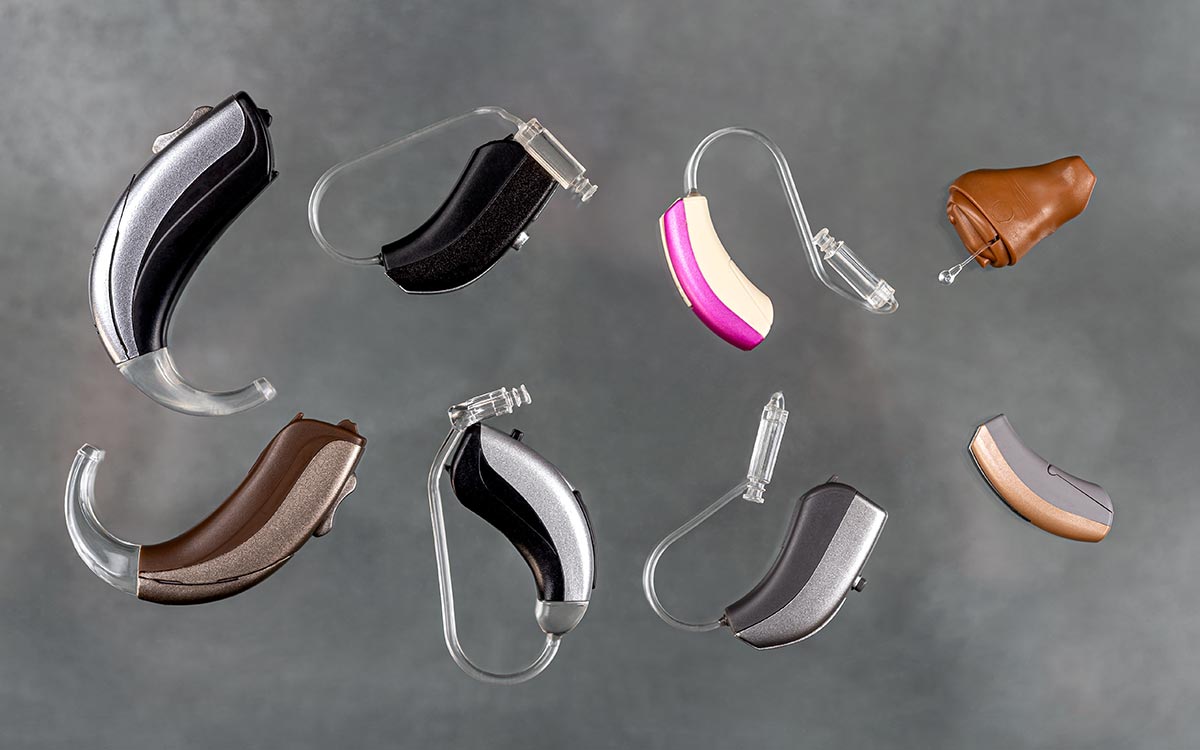
With so many choices in terms of size, style, and technology, the process of picking an instrument can feel quite intense. But regardless of your needs, there’s an auditory solution for every lifestyle, preference, and degree of hearing loss. The key is merely choosing the one that fits you best.
Feeling certain about your choice begins with knowing how different hearing aids function and compare. This guide examines the most popular styles and highlights the specific advantages each one offers.
ITC (In-the-Canal) Hearing Systems
What they are:
These hearing aids are positioned partly inside the canal, making them visible only slightly from the outside.
Why people choose them:
- Offers an improved profile than bulkier behind-the-ear units
- Custom-molded for comfort
- Works well for individuals experiencing mild hearing challenges
Because they offer both discretion and helpful features, ITC models are an excellent pick for those new to hearing technology.
Invisible-in-Canal (IIC) Hearing Aids
The Idea:
IIC hearing aids are the tiniest custom style available. This style rests deep in the ear for an entirely covert appearance.
Why they are favored:
- Maximum cosmetic discretion
- Microphone depth helps mimic the ear’s natural sound collection
- So light and small that users frequently forget they are wearing them
Because of their small stature, IIC devices typically work best for mild to moderate hearing loss and for those who prefer an almost invisible option.
In-the-Ear (ITE) Hearing Aids
Product Details:
These models occupy either the full or bottom half of the outer ear bowl. The shell is specially formed to the specific contours of your individual ear.
Why users choose them:
- Increased size allows for more features and longer battery life
- Provides an easier process for those who struggle with tiny accessories
- A versatile choice that can address even significant levels of hearing loss
The all-in-one nature of the ITE design makes it a favorite for those who dislike behind-the-ear equipment.
Behind-the-Ear (BTE) Hearing Aids
Operation:
These devices rest on the external portion of the ear’s anatomy. These models utilize an individualized earmold or tubing to direct sound inside.
Why people choose them:
- Highly flexible and durable
- Provides an extensive range of amplification suitable for nearly any user
- The size provides ample room for the latest connectivity features and rechargeable hardware
If you require a robust hearing aid that is easy to operate and offers high-power output, the BTE style is ideal.
RIC (Receiver-in-Canal) Overview
Design Specifications:
In a modern model, the speaker is separated from the main casing and placed inside the canal via a thin wire.
Why users select them:
- Minimizes the “plugged up” feeling for more pure hearing
- Offers a very low-profile look that is easy for almost everyone
- A versatile choice that works for various degrees of auditory needs
Thanks to their ease and visual appeal, RIC devices have become an industry standard.
Understanding Extended-Wear Systems
Introduction:
Extended-wear models are semi-permanent units that a professional fits into the ear for a duration of several weeks.
User Incentives:
- Eliminates the need to place in or take out the device every day
- They are virtually hard for people to notice because of their depth
- Designed to be worn during everyday activities, including sleeping and exercising
If you prefer a hearing solution that requires zero daily thought, the extended-wear style is perfect.
Smart Hearing Aids with Bluetooth
Tech Details:
These are modern devices equipped with wireless technology to sync with your personal electronics and televisions.
Why users choose them:
- Allows for crystal-clear voice calls and media streamed directly to the device
- Allows for instant, discreet adjustments to your hearing aids through digital software
- Enhances everyday life by making technology engagement seamless and clear
Most contemporary RIC, BTE, and ITC hearing aids currently provide an advanced version.
Alternative Implantable Options
Design Overview:
Middle-ear implants are specialized tools that use mechanical vibration to enhance hearing via the middle ear.
Medical Reasons:
- Serves as an essential substitute for those who find no success with traditional amplification
- Solves the problem of canal discomfort caused by regular hearing aids
These devices require a thorough medical review by an ear, nose, and throat expert.
Selecting Your Ideal Hearing Solution
There is no one single “best” hearing aid; rather, there is an optimal one for you, determined by your medical needs and personal comfort. A specialist can provide the support needed to test out different styles and find the one that fits your life perfectly.
Start traveling toward a world of superior sound by arranging a consultation with an expert specialist. It is the most significant step you can make toward an increasingly vibrant and confident life.
Sources:
https://www.mayoclinic.org/diseases-conditions/hearing-loss/in-depth/hearing-aids/art-
20044116
https://www.hearinglife.com/hearing-aids/types
https://www.nidcd.nih.gov/health/hearing-aids