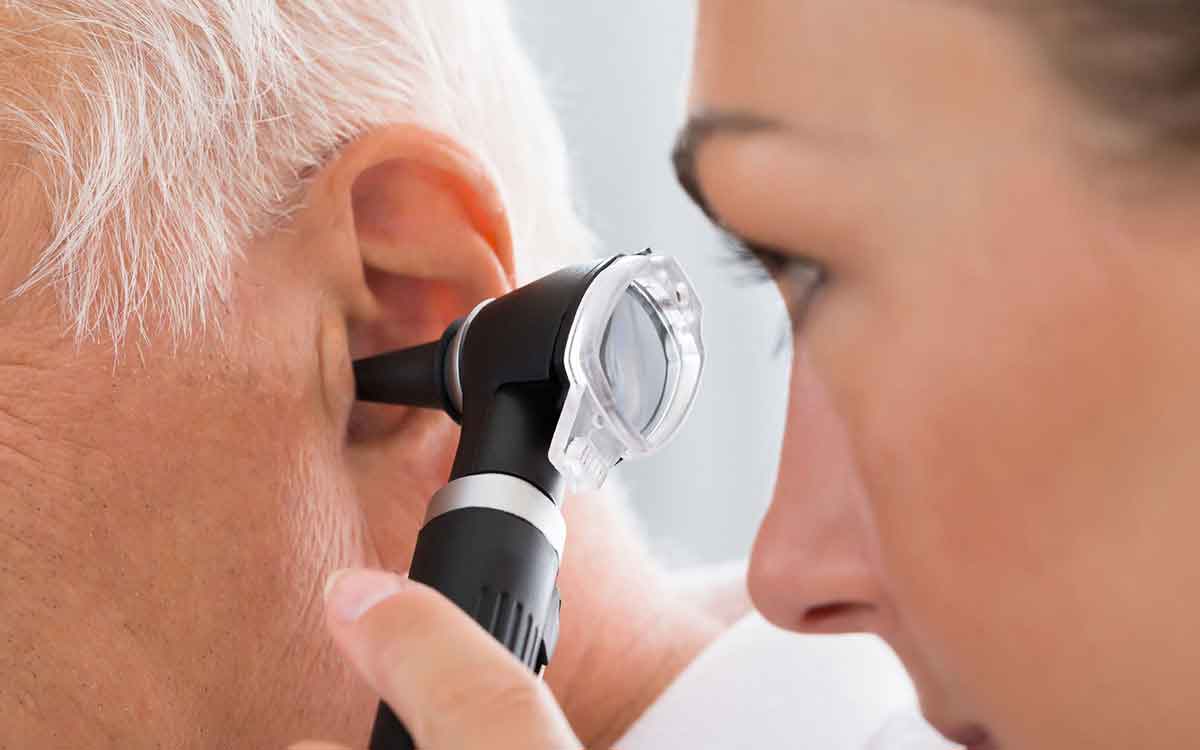
Because hearing loss typically progresses slowly, early indicators frequently go unrecognized by the individual. Many people adjust without realizing it by turning up the TV volume, requesting frequent repetitions, or avoiding loud environments.
But recognizing the preliminary indicators of hearing loss is essential.
Frequent Indicators of Initial Auditory Decline
If you notice any of the listed clinical signs, it is advisable to undergo an audiological screening.
- Impaired speech discrimination during social interactions within high-noise areas.
- A regular need of requesting clarification during conversation.
- Muffled or unclear speech, where words sound blended together.
- Requiring increased decibel settings for electronic devices than is typical.
- Reduced sensitivity to high-pitched stimuli like children’s speech or household alerts.
- Auditory sensations such as ringing, buzzing, or humming, clinically termed tinnitus.
- Mental drain following dialogue resulting from straining to follow speech.
- Withdrawing from social situations as dialogue has become stressful.
Initial symptoms of auditory decline might manifest in unilateral or bilateral patterns and fluctuate in frequency initially. As a result of rapid neural adaptation, many patients remain unaware of their compensatory habits until the impairment advances.
Auditory Health: Current Statistics and Projections
The World Health Organization reports that hearing rehabilitation requirements will impact 700 million people by 2050. Other relevant statistics include:
- By 2050, nearly 2.5 billion people are expected to experience some degree of hearing loss.
- More than five percent of the global community (roughly 430 million people) requires clinical support to manage disabling hearing loss.
- More than 1 billion younger individuals are at risk of avoidable hearing loss due to hazardous acoustic habits.
- Among those over the age of sixty, more than one-quarter suffer from clinically significant hearing loss.
The Value of Early Hearing Loss Detection
Untreated hearing loss can impact your overall health in manners you may not realize.
Clinical evidence shows a documented link between ignored hearing loss and mental health risks, such as isolation and depression.
Early intervention provides superior results and diverse therapeutic options.
A hearing evaluation can determine whether changes are due to presbycusis-driven hearing loss, acoustic trauma, earwax buildup, infection, or another medical condition.
Specific hearing variations are transient and resolve with appropriate medical care.
In others, early use of hearing devices or protective strategies can slow progression.
When to See a Hearing Specialist
An audiological visit is suggested if you observe:
- Auditory indicators persist for more than a few weeks.
- Changes in hearing impact work, relationships, or daily activities.
- Instances of sudden decline, dizziness, or persistent ringing require prompt clinical attention.
Assessments for hearing are noninvasive procedures, yielding deep insights regarding your ear health.
Reach out to our specialists if you are interested in scheduling a formal hearing test.
Auditory Health FAQ: Initial Symptoms
Q: Are all auditory changes linked to getting older?
Answer: Not necessarily. Although presbycusis is prevalent, auditory shifts can stem from noise trauma, ototoxic drugs, or genetic factors.
Question: Is it possible to restore lost hearing?
Answer: Specific causes, including earwax blockage, may be susceptible to reversal through treatment. Other types are permanent but can often be effectively managed with treatment or hearing devices.
Question: How frequently should an individual undergo a hearing test?
A: A baseline screening is advised by age 50, or sooner if clinical symptoms manifest.