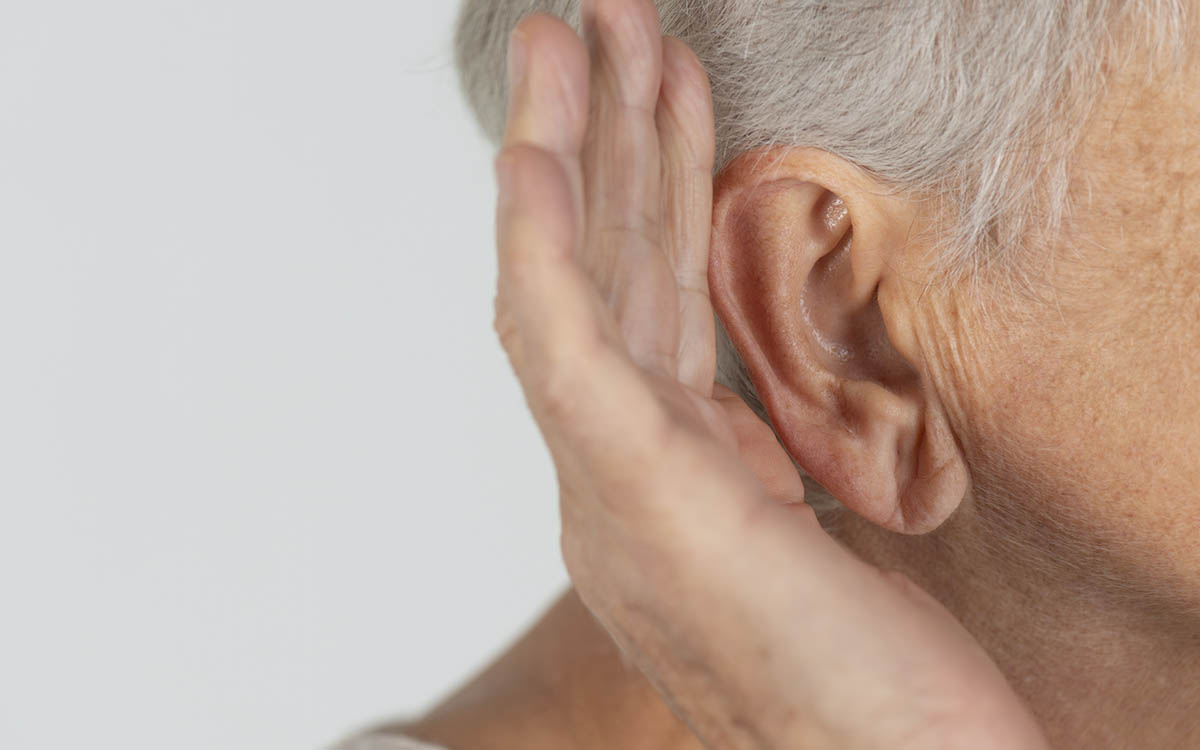
Most people associate hearing loss with getting older, though for a significant portion of the population, ear injury manifests significantly sooner. As one of the most prevalent and avoidable types of auditory impairment, noise-induced hearing loss typically progresses slowly, but it often occurs gradually and goes unnoticed until the effects are permanent.
Comprehensive knowledge of how chronic noise exposure affects the ears is essential for implementing safeguards before significant hearing loss occurs.
Identifying the Nature of Noise-Related Hearing Loss
Noise-induced hearing loss is characterized by the degradation of intricate inner ear components. The Centers for Disease Control and Prevention state that, sustained or frequent exposure to sounds exceeding 85 decibels, such as heavy traffic, can initiate auditory damage. Higher intensity sounds, including those generated by machinery, music venues, or firearms, may result in immediate damage.
The inner ear contains microscopic sensory receptors known as hair cells. These receptors facilitate the conversion of acoustic vibrations into electrical signals decoded by the brain. Following injury, these hair cells lack the biological capacity to regenerate, which renders noise-related hearing loss an irreversible condition.
Tracking the Advancement of Ear Damage
A primary clinical concern regarding noise-induced hearing loss is its typically slow rate of progression. Early exposure may cause symptoms like:
- Temporary ringing or buzzing in the ears (Tinnitus)
- Subjective hearing attenuation or muffling after high-decibel events
- Difficulty understanding speech in noisy environments
Initial symptoms may subside, frequently resulting in the incorrect assumption that hearing function has returned to baseline. In reality, repeated noise exposure continues to injure inner-ear structures, leading to a progressive decline in hearing resolution.
Statistics from the HLAA suggest that 48 million Americans have some form of hearing loss, often without recognizing the contributing factors.
Identifying Everyday Decibel Levels to Hearing
Modern society is characterized by high ambient noise, which frequently leads to a lack of awareness regarding sound intensity. For this reason, many people are surprised to learn how common harmful noise exposure is.
Typical noise-generating sources consist of:
- Venues featuring high-decibel live music
- Headphones played at high volumes
- Gas-powered lawn tools, industrial machinery, and motorcycles
- Industrial workplace environments such as warehouses and construction sites
Because these sounds are often part of daily life, damage can accumulate without clear warning signs.
The Critical Role of Preventative Measures
Noise-induced hearing loss is physiologically irreversible, unlike many other health impairments. Despite its permanence, the condition is significantly preventable. Adopting straightforward preventative behaviors can markedly decrease the likelihood of injury, including:
- The application of earplugs or attenuation earmuffs in loud areas
- Modulating audio output levels and observing 60/60 rule constraints
- Incorporating auditory rest periods to allow for physiological recovery
- Scheduling regular hearing evaluations if you’re frequently exposed to loud noise
Indicators to Seek Expert Audiology Services
Should you experience persistent Tinnitus or a decline in conversational understanding, a professional evaluation is indicated. Early intervention through an Audiologist allows for the monitoring and implementation of essential protective measures.
Protecting your ears today helps ensure clearer hearing tomorrow. Noise may be unavoidable, but hearing loss doesn’t have to be!. Contact us to coordinate a comprehensive evaluation and ensure your auditory system is functioning at its peak.