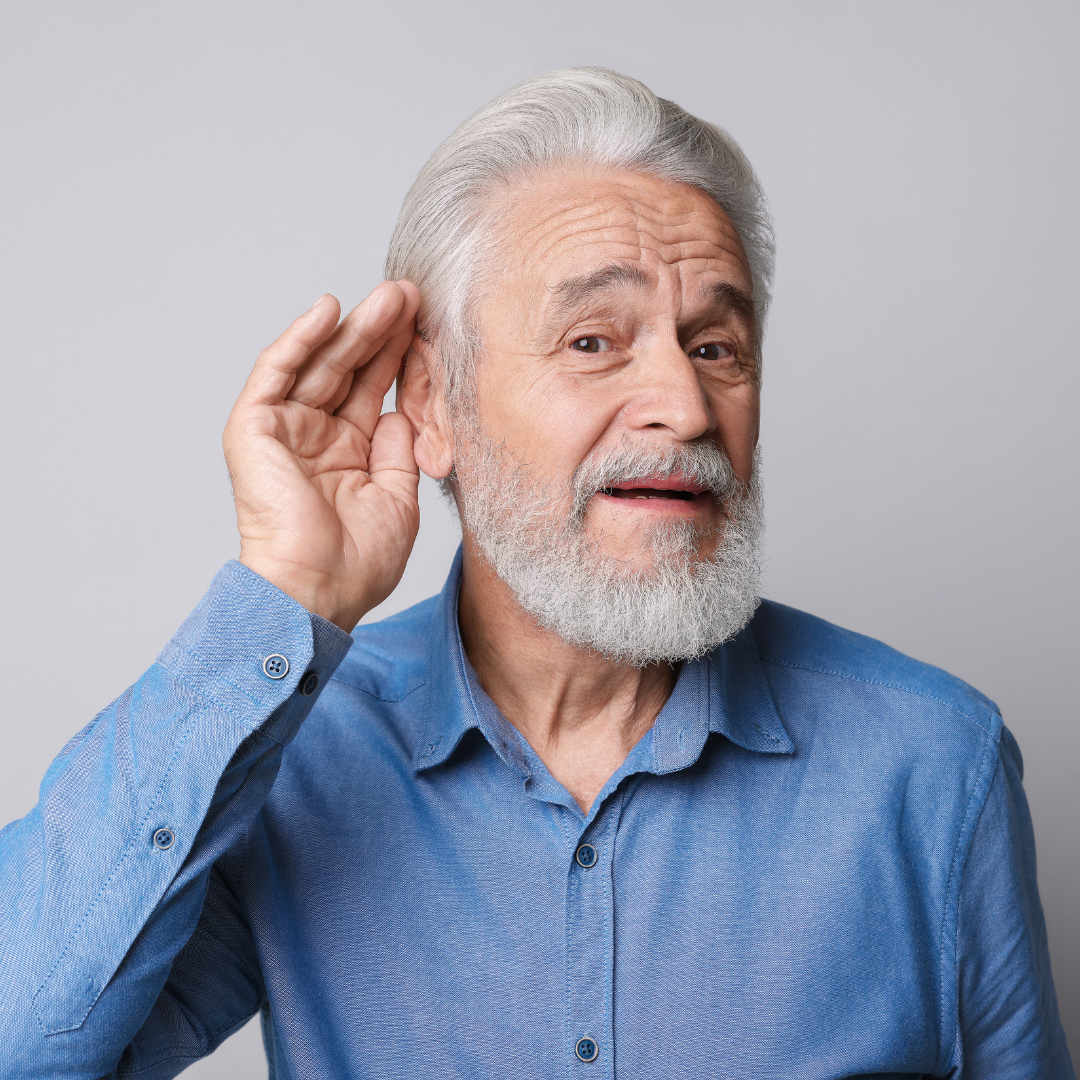
Noticing an immediate hearing loss on one side can be unsettling, leaving affected individuals wondering how to proceed. Our audiology clinic offers prompt diagnostic hearing testing and coordinates emergency medical evaluations whenever sudden hearing changes develop. An acute sudden hearing loss demands prompt evaluation by an audiologist or ENT physician to initiate time-sensitive medical care or auditory rehabilitation.
Understanding Sudden Hearing Loss as a Time-Sensitive Emergency
Yes. A sudden hearing loss affecting one ear must be addressed as a true medical emergency, especially if it unfolds across hours or several days. Known medically as sudden sensorineural hearing loss or sudden deafness, this emergency involves the sensory labyrinth or central auditory neural pathways. It generally arises in the absence of pain, causing individuals to mistakenly assume their ear is simply plugged or congested.
Key presenting symptoms include:
- A rapid decrease in volume or clarity on one side
- Difficulty processing telephone audio when switching the device to the affected ear
- Sensation of an internal ear pop or mounting aural pressure right before hearing diminishes
- Sudden-onset tinnitus characterized by ringing, buzzing, or roaring within the impaired ear
- Concomitant dizziness, spatial disorientation, or true spinning sensations
Do not adopt a wait-and-see strategy hoping the auditory deficit corrects itself. Contact us, an urgent care clinic, or an ear, nose, and throat specialist for same-day guidance.
The Critical Importance of Immediate Medical Care for Sudden Hearing Loss
Timely clinical evaluation is critical because therapeutic interventions for sudden sensorineural hearing loss demonstrate the highest success rates when started early. We must immediately determine if the loss is conductive—stemming from earwax blockage or middle-ear pathology—or sensorineural, signifying inner ear or neural involvement. These conditions can feel similar but require different care.
Performing physical otoscopy alongside a diagnostic hearing test confirms the exact classification, frequency configuration, and decibel severity of the hearing loss.
Contact emergency medical services immediately if sudden auditory decline presents alongside:
- Acute facial nerve weakness, asymmetrical drooping, or numbness
- Inability to formulate words, sudden mental confusion, or a severe, atypical headache
- Sudden double vision, loss of consciousness, or profound unsteadiness when walking
- Sudden chest pain or clinical hallmarks of a systemic medical crisis
Such clinical findings often indicate an urgent vascular or central neurological emergency that cannot wait for an outpatient appointment.
Potential Etiologies of Sudden Sensorineural Hearing Loss
In most clinical diagnoses of sudden sensorineural hearing loss, the precipitating cause remains completely idiopathic. When diagnostic testing isolates a specific trigger, it generally involves cochlear inflammation, physical trauma, compromised vascular perfusion, autoimmune dysfunction, or neural pathology.
Common clinical factors include:
- Viral or bacterial infections
- Severe head trauma or direct exposure to an explosive acoustic blast
- Systemic autoimmune pathologies targeting the auditory labyrinth
- Administration of potentially ototoxic pharmaceutical agents
- Acute circulatory compromise or cochlear microvascular infarction
- Chronic vestibular conditions including active Ménière’s disease
- Central nervous system conditions, such as progressive multiple sclerosis
- A benign tumor, such as a vestibular schwannoma, compressing the vestibulocochlear nerve
Given that subjective symptoms cannot distinguish between these conditions, rapid clinical evaluation and audiologic testing are vital.
Clinical Treatment Protocols for Sudden Sensorineural Hearing Loss
Clinical administration of corticosteroids remains the leading therapeutic approach for idiopathic sudden sensorineural hearing loss. Providers may prescribe oral systemic steroids or deliver local intratympanic injections through the eardrum, targeting the inner ear directly. Therapeutic recommendations are established by our clinical providers, incorporating symptom onset timeframes, audiometric thresholds, underlying systemic health, and adverse effect profiles.
Corticosteroids are generally deployed within the initial two-week therapeutic window, and beginning as early as safely permitted is essential. Providers may advise intratympanic steroid injections as an aggressive salvage therapy if oral treatment produces incomplete hearing restoration. In specific clinical presentations, the otolaryngologist may recommend combining hyperbaric oxygen therapy alongside standard steroid regimens.
Prognosis and Spontaneous Recovery in Sudden Unilateral Hearing Loss
A sudden sensorineural hearing loss may occasionally resolve on its own without pharmacological treatment. About half of affected people regain some or all of their hearing spontaneously, often within the first one to two weeks. However, modern medicine possesses no validated mechanism to determine early on which individuals will recover, what volume of sound will return, or if gains will endure.
Hoping for spontaneous recovery does not justify waiting or postponing clinical intervention. The efficacy of medical therapy in reversing permanent sensorineural loss drops dramatically when initiated weeks later, meaning hesitation can permanently close the therapeutic window. Recovery may be complete, partial, or minimal.
Managing Unresponsive Sudden Hearing Loss: Next Steps
If auditory thresholds fail to normalize completely, management depends on residual hearing sensitivity, unilateral speech discrimination scores, and the exclusion of underlying retrocochlear pathology. Our team may order a dedicated internal auditory canal magnetic resonance imaging (MRI) scan or an auditory brainstem response (ABR) evaluation to assess the vestibulocochlear nerve and cerebellopontine angle.
Ongoing rehabilitative technologies include:
- Custom programming of a traditional hearing aid when the ear maintains usable acoustic thresholds
- Utilizing a CROS hearing aid system designed to stream acoustic signals from the impaired ear to the normal-hearing ear
- An osseointegrated bone-conduction hearing system or bone-anchored hearing device for qualifying candidates
- A cochlear implant evaluation for patients presenting with profound single-sided deafness
- Assistive listening technology for work, school, or conversations
Audiologic rehabilitation can also address listening fatigue, sound localization, and communication difficulties. Determining the ideal intervention depends upon your diagnostic hearing test metrics, lifestyle demands, medical history, and personal communication goals.
Contact Us for an Urgent Hearing Assessment
When hearing changes abruptly today or within the preceding few days, obtain same-day medical advice rather than scheduling a routine visit. Our audiologists will carry out diagnostic hearing tests, measure bilateral ear performance, assess symptom timelines, and coordinate directly with an ENT doctor or primary physician.
Call or message our practice immediately to secure a prompt hearing appointment.